

How Long Should You Keep Your Mortgage Papers?

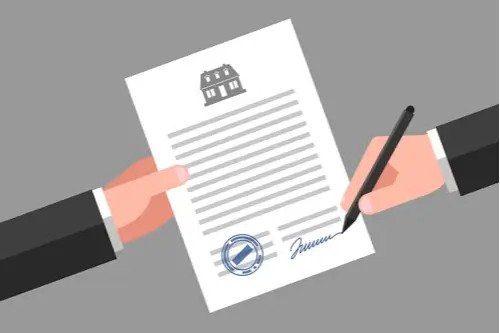
The time of year is often a time for decluttering and organizing the home for a fresh start. As you sort through your file cabinet and see how much room all your mortgage documents take up, you may wonder how long you need to hold on to all that paperwork. Here’s what you need to know before you feed it to the shredder.

Why You Should Keep Your Home Loan Documents

Even after a home purchase is finalized, several issues might arise that would require your mortgage documents to resolve. Tax discrepancies with the IRS, undisclosed property problems, payment disputes with the lender or your real estate agent, homeowners’ insurance claims challenges. These are a few situations that could pop up in the months or years after you buy your home. Below are the types of mortgage records and how long you should keep them.

Deed 

A deed is the proof that you have ownership of the home, and it is signed by you and the seller. This should be kept as long as you own the property. The deed will be recorded in land records after you’ve paid off your mortgage, but even then, tangible proof that you own the place may be safer.

Mortgage and Promissory Note

This is your contract to pay back your mortgage loan and should be kept handy the entire time you own the property as well. It is important to have a record of the original agreement and terms to prove you fulfilled your end of the bargain.

Closing Disclosure

This piece of paper documents the points and fees you paid at closing to the lender and any third parties. These can sometimes be deducted from your income taxes, and you’ll need the statement as verification. If you do not claim any deductions, you can toss this one after a year from the home sale.

Seller Disclosures

Unfortunately some home problems are either not disclosed or unknown until you move into the house. The disclosures document will provide proof to your homeowners insurance that something was not revealed before you bought the home. You should hold on to this for several years until you feel like you know your home and all its systems well.

Home Inspection Report

This is the thorough pre-sale assessment of your property and its systems. You can get rid of this after three years, but you may want to hold on to it longer to remember things like the age of the roof and HVAC systems and when they’ll need to be replaced.

Home Warranty

This usually lasts a year but can be renewed annually. If you have one, the paperwork makes it easy to check what items are covered for repair or replacement. It can be discarded when you cancel the policy.

Of course today, all of this paperwork can be scanned and saved digitally. While you should hang on to physical copies of the deed and maybe the promissory note, the rest you could save on a hard drive or in another electronic form. The danger is if the hard drive fails, you will lose that documentation. Saving all your mortgage papers in a fire-safe lock box may be the safest way to store all that important information.


One Extra Mortgage Payment a Year Can Add Up to Big Savings

When you bought your home, you (hopefully) qualified for a mortgage that you could afford and if you stay on top of it monthly, you’ll own your home free and clear in 30 years (or less, depending on your loan terms.) Making extra payments may not even have crossed your mind, but there are actually plenty of reasons why you might want to scrape together just a little bit more to throw at your mortgage each year.

Build Equity Faster

If you make the equivalent of just one extra mortgage payment a year, you will increase your ownership share in your house faster. This can be financially smart if you bought with less than a 20% down payment and are currently making private mortgage insurance premiums. Once you reach 20% equity in your house, you can cancel your PMI policy, saving you hundreds or maybe thousands of dollars a year.  And if you worry that putting money into your house will make it harder for you to accomplish other projects and goals, you can always tap your home equity through a secondary mortgage loan later.

Save on Interest 

With an amortized loan, the interest is front loaded, so if you make extra payments, it all goes to the principal, reducing the amount you owe, and the amount interest required. If you plan to stay in your home for the long haul, contributing just one additional mortgage payment a year could save you tens of thousands of dollars in interest. The savings will be realized once you finish paying off your home loan.

Be Out of Debt Earlier

If you contribute one extra payment a year, you will end up paying off your mortgage three to four years early on a 30-year fixed rate loan. Of course, that saves you money, but it also means you will own your home free and clear sooner. This might be important if you’d like to be done with your mortgage before you retire or before you take on some other financial goal, like buying a vacation home or taking bucket list travel trips. 

While it might sound daunting to come up with an extra payment every year, there are several ways to do it that make it more manageable. You could save up a little money throughout the year, or you could take an annual bonus or your tax return money and make a one-time principal-only lump sum payment. Another option is to divide your monthly mortgage bill by 12 and add that amount to each payment that year. And finally, you could switch your payments to a bi-weekly schedule. You divide your monthly payment in half and contribute that amount to your lender every two weeks. By the end of the year, that schedule will have added up to one full additional mortgage payment and you likely will not even have felt it in your budget.

The great thing about all these options is that if you ever hit a financial rough spot, you can simply pull back on contributing any extra money without any penalties. You can then use that money for your immediate needs and get back into saving and adding extra mortgage payments when the issues get resolved.

Who Owns My House: Me or My Mortgage Lender?

The standard home buying process follows this formula: you find the right property, you go under contract to buy it, you get approved for a mortgage loan, the lender lends you enough money to buy the home, you sign papers, and you move into your new house. Since you were not able to pay for the property outright though, who technically “owns” the home, you or your mortgage lender?

The short answer is that you do. Your name will go on the title and the deed of the house. Your home serves as collateral on the loan, but you own it for most intents and purposes. You have the power to make decisions about the property including when and how to renovate, add on, decorate, paint, change the landscaping, etc. You also have complete control over when to sell your home. You also have the full responsibility to take care of the property in terms of repairs and maintenance. 

However, since you are obligated to repay the mortgage lender for the money that actually paid for your house upfront, the lender has a legal interest in your property, which means you do not have complete ownership until the loan is paid in full. You signed several documents at closing, finalizing this financial arrangement.  

In some states, buyers sign a mortgage note or promissory note. This is a legal agreement for a borrower to pay back your lender with interest over a period of time and it spells out the rights of both parties, including penalties if the borrower defaults on the loan.

In other states, a deed of trust is used. With this document there are three parties involved: you, the borrower, are the trustor, the trustee is the company or group that holds onto the title (typically the title company), and the beneficiary is your mortgage lender. These deeds of trust make it easier for lenders to foreclose if you default as they do not require judicial proceedings. The lender ceases to be the beneficiary once you pay off the loan in full and the title company will transfer the title to you at that point.

If you do not make your mortgage payments according to your loan agreement, your lender as an interested party, can start foreclosure proceedings on your home. Unless you can come up with the money and get back on track, the bank can eventually repossess your home even though you have ownership rights.

It is important to note that even if you own your home free and clear, by either paying cash or paying off your mortgage, there are still situations where you may be liable to lose your house. If you get behind on your property taxes, the government in most states has the right to take your house and sell it in a tax sale. Liens or other legal judgments against your property could end in a similar fate. 

In a general sense, when you buy a home, mortgage or not, you own the house and have practical rights to use it, change it, and sell it the way you want. Just remember that there are always financial obligations to third parties that could affect your ownership of the home.

Call us today - we can help you finance your next home or take out some of the equity in your current home.