


VA Loan Blog

How to Prepare Your Home for an Appraisal in 2023


After you’ve accepted an offer to sell your home, your property will be appraised to see if it's worth what the buyer is offering. This appraisal is crucial to making sure the sale goes through smoothly. If it comes in too low, the buyers might back out or you might have to negotiate a new price. If it comes at the purchase price or higher, then the sale can easily move forward. You might also need an appraisal if you are refinancing or taking out a home equity loan. In any case, there are ways to prepare your home to help it appraise for its highest value and save you extra headaches.

Curb Appeal

Your appraiser’s first impression of your home’s value will come from their first look as they drive up. The exterior condition will likely influence his or her thinking on the overall state of your property, so take care to make sure your curb appeal is real. Begin with the easy things like mowing the lawn, trimming bushes, and raking leaves. Then inspect your outside paint job to see if any touchups are in order, especially to the front door. Adding some colorful flowers in planter beds or in pots by the door can also make your house stand out.

Sparkling Clean

If your home is squeaky clean, it will give the appraiser the feeling that you as a homeowner have done a good job of maintaining the house. A thorough deep cleaning of your house, including easy-to-forget thinks like baseboards, pantry shelves, and window jams, can help your case tremendously. Shampooing carpets and getting rid of pet or other smells is also important. A good clean will also help you discover items that need fixing before the appraisal.

Minimalism

Certainly, appraisers are used to seeing homes with all their furniture and daily trappings, but a home that is decluttered and has minimal items to move out of the way will make the home appear larger and more attractive and make it easier for them to do their job. Pay special attention to the kitchen, living areas, and bedrooms where the most clutter tends to accumulate.

Minor Repairs

Take stock of your rooms and make sure everything is in working condition. Many appraisers follow the ‘$500 rule’ where each small problem deducts a full $500 from the appraised value. That means fixing even little things like drippy faucets or cabinets that don’t close properly can bump up your home’s worth by thousands of dollars. Be sure to look for burned-out bulbs, working smoke alarms, stair railing sturdiness, roof stains, and any plumbing issues.

Major Structure and Systems

The appraiser will assess your home’s foundation and roof for structural soundness as well as the HVAC system for effectiveness. If any issues are uncovered with these areas, it could either kill the home sale or result in a large profit loss for you. Before the appraisal check the foundation, ceiling, and walls for cracks or signs of water leaks.  And your roof should have at least three food years left to be considered viable. If you can fix any of these problems ahead of time, your appraisal will come out much better.

List Improvements

Have a list handy for the appraiser of any upgrades you’ve made to the home, along with proof of receipts or contracts. This might include things like kitchen or bathroom renovations, finishing the basement, or installing new energy-saving features. If you have added value to your house over the years, your appraiser will likely factor that into the overall value.

After you’ve gone through this list, the final step is to do anything to make your home more welcoming and inviting. Open up all the blinds beforehand to let in natural light, add soft throw pillows on the couches and beds to give a cozier atmosphere, and throw in a pleasant scent to a candle warmer right before the visit. Every tiny detail helps when it comes to getting the most out of your home appraisal.

This New Mortgage Rule Could Save You from Foreclosure


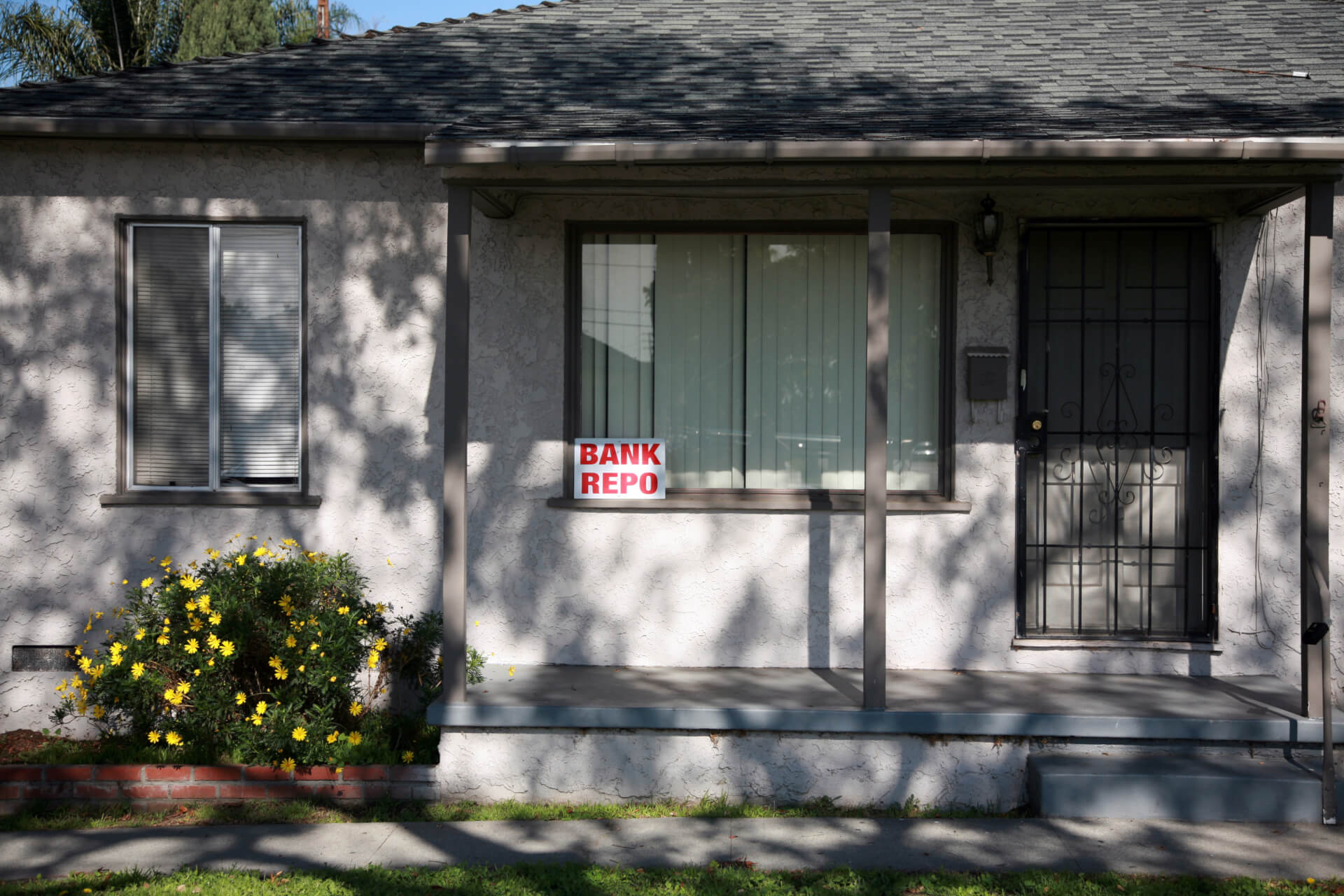
Since the COVID-19 pandemic hit, millions of Americans lost jobs and many homeowners have had a hard time keeping up with their mortgage payments.

According to the Consumer Financial Protection Bureau, around 3% of all residential mortgage borrowers are now behind in their payments by at least four months, more than at any time during even the 2008 subprime mortgage crisis. “We have never before seen this many borrowers so far behind on their mortgages,” said Dave Uejio, the bureau’s acting director.

Four months is the point when foreclosure proceedings typically begin, but thanks to extended federal moratoriums, mortgage lenders have been held back on starting any new foreclosures for the past year.

However, for the health of the mortgage industry and the housing market and the general U.S. economy, that situation cannot last forever, and the current homeowner protections are set to expire on July 31, 2021. In order to stop a wave of foreclosures from starting on that date, the CFPB has issued a new rule that will take effect one month later, on August 31, and will be valid through the rest of the year.

Lenders will temporarily have to take extra steps before foreclosing on delinquent borrowers. Mortgage companies will be able to begin proceedings only if the home has been abandoned, or if the borrower has been unresponsive to contact for at least 90 days, or if they have thoroughly evaluated the borrower and no foreclosure prevention options are viable.

Banks will be allowed to immediately start processing foreclosures on any borrowers who were already 120 late before March 1, 2020, when the pandemic started causing financial problems.

The new rule also makes it easier for mortgage lenders to help borrowers into loan modifications. Delinquent homeowners will not be required to submit full paperwork for these streamlined loan changes, hopefully allowing lenders more flexibility to work with these borrowers. According to the new rule, no loan modification can increase borrower payments though, or extend their loan term by more than 40 years.

The CFPB’s goal is to avoid “preventable” foreclosures, according to Diane Thompson, a senior advisor at the bureau, by giving those homeowners time to make important decisions about resuming payments, modifying their loans, or selling. To borrowers who haven’t been making payments during the pandemic, she says its “important to understand that you’re going to need to figure out a plan for how to address that in the not-too-distant future. People need to be assessing their options.”

If you are behind on your mortgage payments, there are several options you can try right now to avoid a looming foreclosure. First contact your lender and explain your situation. The sooner you contact them, the better your chances of getting help, including mortgage forbearance, loan modifications, or altered mortgage terms. Second, you can ask for foreclosure avoidance counseling through the US Department of Housing and Urban Development (HUD), for more ideas. Third, you could try to sell your home before foreclosure proceedings start. The housing market is still hot right now, with rising prices and limited inventory, so there is a good chance you good sell for enough money to pay off your back payments as well. If you do not have enough equity, you could ask your lender for a short sale. In any case, involve your lender right away to avoid the worst consequences.

How to Apply for a Mortgage Online in 2023

Not all that long ago, in order to apply for a home loan, you would have to go into a bank or lender office and fill out paperwork by hand. Thankfully, the advance of smartphones and technology have made it more convenient than ever to apply for a mortgage. You can do it from home on your computer or while waiting in line on your phone. 

And the use of these online applications is definitely on the rise. According to a recent Deloitte banking survey, 33% of people already apply for loans digitally. With the ongoing COVID-19 pandemic, that number is likely to skyrocket as more people want touchless financial experiences. And often these loans can be processed faster than with traditional methods, according to a New York Federal Reserve report. 

Applying online for a mortgage makes it easy to upload all your financial documents and keep track of your application’s progress. We make it easy for you to apply online.

  1. Start the Loan Application
    For most lenders, there is a big button right on their homepage that says “Apply Now.” Once you click on it, you will be asked for personal contact information like email and phone number so the company can get a hold of you. 
  2. Loan Type and Amount
    One of the online steps will be to specify what type of loan you want: refinance or purchase and other details. Don't worry if you don't know all of the answers, just do your best. Once we receive your loan application we will review it with you. If you're in the process of getting pre-approved for a loan and you are not officially under contract on a home yet - leave the property address blank, but do your best to answer all of the other questions. Once you are under contract for a property and let us know the property address and we'll update your loan application.
  3. Employment and Income
    Another step is to add information about your current job. You’ll likely be asked for the name and address of your employer as well as how long you’ve been on the job and your annual income. If you bring in money from any other source, like alimony, trusts, or pensions, you’ll need to report that as well. The loan application will help you to give us 2 years of your employment history.
  4. Assets & Liabilities
    You may also be asked to enter your current assets, including bank account balances, life insurance policies, retirement accounts, and other real estate holdings. Likewise, any outstanding debt information, like student loans, car payments, or credit card debt will also be requested. Don't sweat entering the exact amounts or the account numbers. When we verify your documentation - we'll make sure that the amounts and account numbers are correct.
  5. Documents
    After you complete the online loan application you'll be able to upload some essential documentation. This might include W-2 forms, a month of paystubs, two months of bank statements, federal tax returns from the previous two years, and your driver license or other government-issued id.
  6. Social Security Number
    Please enter your social security number on the loan application, we use it to check your credit to verify that you can get approved for the loan.

Once you sit down to your computer or phone, you can apply online in as little as 10-20 minutes! All without having to leave your home or encounter any coronavirus exposure. Online applications can make getting a mortgage loan quick and painless.

If you feel more comfortable applying in person or over the phone - we can do that as well. Just give us a call today!