

VA Loan Blog

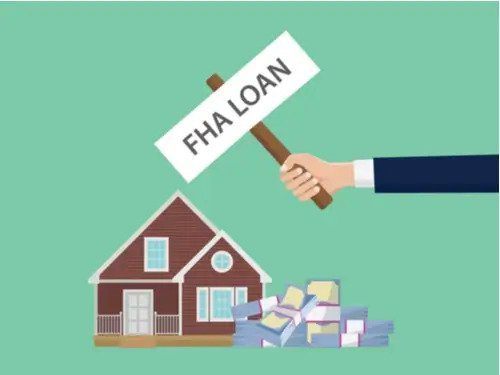
What You Need to Know About FHA Loans in 2023

It’s a new year and a new chance for many people to become homeowners. There are several mortgage products that are designed for first-time buyers; the FHA loan is especially helpful. Here’s what you need to know about them and the changes that have been made for this year.

What is an FHA loan?

It stands for a Federal Housing Administration loan, meaning it is backed by the U.S. government. It is not made by a government agency. You deal directly with a mortgage lender or broker to get the loan, but the FHA will typically buy the loan from the lender after it is made or guarantee the lender against loss. They require lower down payments and credit scores than most conventional loans, making them a clear favorite among first-time buyers.

What Are the Terms?

These loans can have terms of either 30 years or 15 years. The interest rate is fixed for the entire loan length. As long as borrowers have a minimum credit score of 580, they only have to contribute a down payment of 3.5%. Closing costs run between 3% to 5% of the loan total and up to 6% of those can be paid for by sellers, builders, or lenders. 

FHA borrowers do have to pay mortgage insurance premiums for at least 11 years, not just until they reach 20% equity like with conventional loans. At the outset of the loan an upfront premium of 1.75% of the loan amount is due but can be financed into the overall mortgage. Then every year, the borrower will be responsible for an annual premium of between 0.45% and 1.05%, that is divided by 12 and paid monthly with the mortgage. If borrowers get tired of paying mortgage insurance, after a few years of timely mortgage payments and earning equity, they may be able to refinance into a conventional loan.

What Are the Qualifications?

To qualify for an FHA mortgage, home buyers need a FICO credit score of at least 500 and a 10% down payment, or a score of 580 or higher and a down payment of 3.5%. These loans also require a two-year employment and income verification and must plan to use the property as their primary residence. If they have had a bankruptcy, they must wait one to two years before applying and three years after a foreclosure. Lenders will also require that a borrower’s debts (mortgage expenses plus all other debts) are no more than 43% of their gross income.

What Are the Loan Limits for 2022?

Each year the Federal Housing Finance Agency sets loan limits for all government-backed mortgages. The limits are based on the average cost of housing in the country and certain regions. In 2022, for most parts of the U.S., FHA borrowers can take out a loan for up to $420,680, an increase from 2021’s limit of $356,362. For the priciest areas in the nation, like Hawaii, California, and Washington D.C., the loan limits are even higher: $970,800 this year, up from $822,375 last year.

With higher loan limits and currently low mortgage interest rates, an FHA loan might be the perfect tool to help you get into a home in 2022! Contact us today to find out more.
Will a HELOC Affect Your Credit Score?

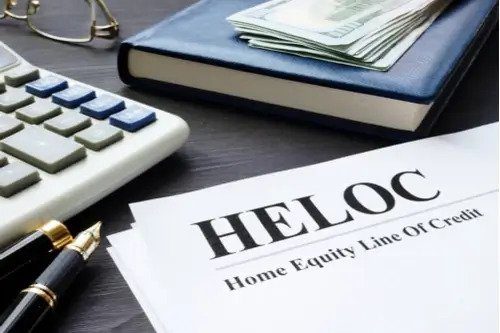
With home prices soaring over the past few years, homeowner equity is at all time highs. It could be a great time to tap into some of that equity to pay off debts or finally make those home improvements you’ve been dreaming about. One of the most common ways to borrow against your home’s value is by taking out a home equity line of credit (HELOC), but if you’re looking to get any other loans soon you should know how a HELOC might affect your credit score.

HELOC Loans Defined

A home equity line of credit is a revolving credit line that uses your home equity as collateral. It works much like a credit card but has dramatically lower interest rates. For the first 10 years of the loan, called the draw period, borrowers can pull out money on an as-needed basis. So, if you are taking on a kitchen renovation project, you can pay for materials and contractors over the course of the process instead of pulling out one large lump sum at the beginning. The benefit of this method is that you only pull out what you need, when you need it. 

During this initial period, you can carry a balance from month to month and only make minimum payments if you prefer. After the 10 years are up, you will no longer be able to pull out money, but will have to start repaying the loan in full, including both interest and principal. The repayment phase usually lasts 20 years. 

How Does a HELOC Affect Credit?

Applying for a HELOC will generally require a credit check which might cause a slight ding (5-10 points perhaps) to your score. This is only temporary, however, and the impact will be minimal if you haven’t applied for other types of credit recently. While the inquiry will show up on your credit report for two years, your credit score should go back up after just six months. 

Because it is an open line of credit, the HELOC will be reported to the credit agencies as revolving debt, instead of as a second mortgage. Your credit report will include your loan balance, credit line, and payment history, just like with credit card accounts. However, the amount of available credit on your HELOC is not used to calculate your score when you apply for other types of loans.

How the loan affects your credit profile depends entirely on the way you manage your account. If you miss payments, your score could take a significant hit, but if you are timely, your credit score could actually get a boost over the years.

Your score will go down when you close the HELOC account because part of your credit profile has to do with your credit utilization rate. This is defined as how much of your available credit lines you have currently borrowed. When you close your HELOC loan, your total available credit limit will fall considerably, and your credit utilization will automatically increase. The impact is largest on those with short credit histories. The longer you hold on to the loan, the less influence closing it will have on your credit score. 

A HELOC mortgage loan can be a very helpful way to accomplish your projects or financial goals, as long as you are aware of the effect it will have on your credit over the next several years.

Can You Get a Loan to Buy an AirBnB?

Renting out privately-owned properties has become the preferred style of accommodations for many travelers today. Sites like AirBnB and VRBO allow property owners to list their condos, houses, and cabins to tourists looking for a different experience from the standard hotel chain. More and more investors and entrepreneurs are jumping into the AirBnB market to take advantage of this trend. If you are interested in becoming a travel property owner, one of the most important things to understand is how to get financing for your venture.

Are there AirBnB loans?

There are no mortgage loans specifically for AirBnB or VRBO properties. Unless you can pay cash for a rental home, you would need to apply for an investment property mortgage.

These loans use the property as collateral. The lender will want to see the projections of how often you expect to rent it out and what income you expect to earn. These numbers will play into how likely you are to be approved for funding and how high your interest rate will be. This is because mortgage lenders base their decisions off of risk. An investment property is often considered a higher risk than a primary residence because it is harder to predict how often the property will be vacant and how much money can be brought in from rentals. The greater the risk, the higher the down payment and interest rate will be. For example, investment property loans typically require a down payment of around 15% or more, compared with primary mortgage loans that can ask for as little as 3.5% down.

Other Options

If you don’t qualify for an investment property loan, there may still be ways for you to become an AirBnB owner now. For example, you could consider turning your primary residence into a vacation rental place.  This works well if you do not plan to rent it out very often, perhaps only when you go on vacation yourself. A traditional primary mortgage has much easier lending standards in terms of credit scores, down payments, and debt ratios. Plus this setup would give you a taste of what the AirBnB business is like without jumping in completely.

You could also buy a second home and rent it out to long-term tenants as a way to establish your ability to earn income with renters. This will make you a much more attractive applicant for an investment property loan down the road.

Another option is to buy a multi-unit property (up to four units) and live in one of them while renting out the rest. These types of dwellings can even qualify for FHA and VA loans that have more lenient credit and income requirements than most other mortgages. An added bonus of this plan is that you would be onsite to help out with any problems and be able to manage the maintenance of the units better.

If you are truly ready to jump into the vacation rental market and you’ve had a hard time qualifying for a mortgage, you can always save up extra money for a larger down payment. This will reduce the risk of your loan to the lender and make it more likely that you’ll be approved.

Buying a property to rent as an AirBnB can be an excellent source of investment income and with a little preparation you can make sure you qualify for the funding you need to get started.